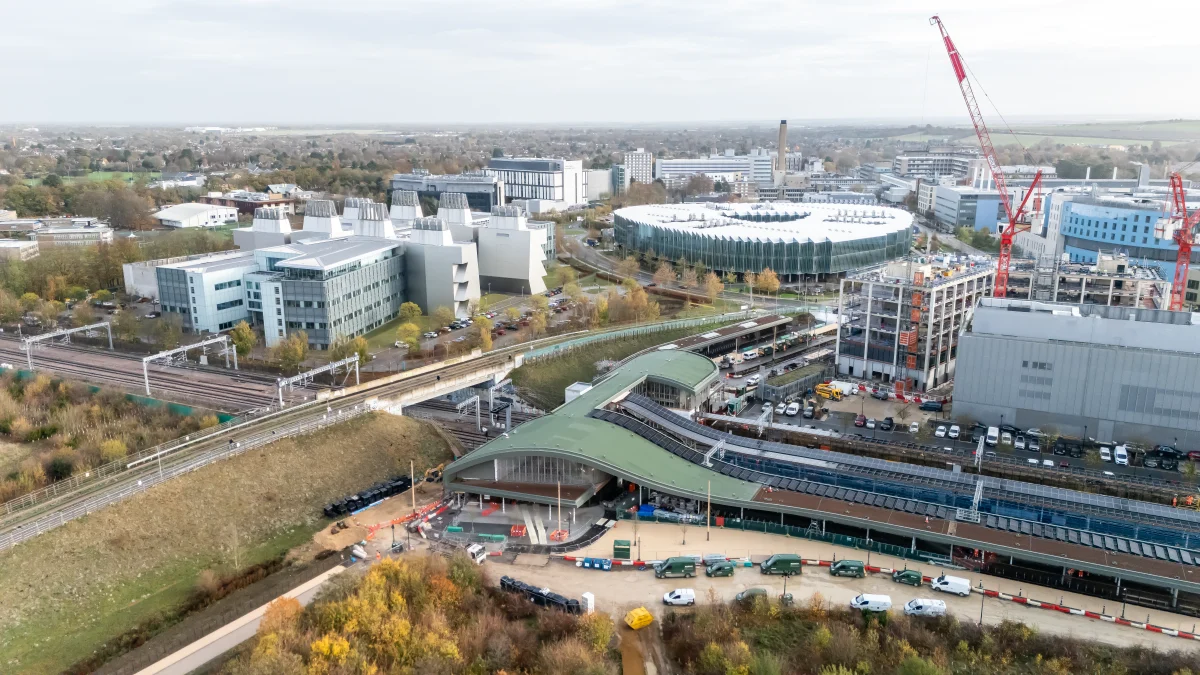
Cambridge is widely considered Europe’s foremost science and technology cluster on several counts. Its growth has been decades in the making, although now there may be some signs of slowing pace over recent years. Today, the Cambridge economy makes an above-average contribution to the UK economy, and there is growing interest within government in how it might strategically support Cambridge as an engine of future growth.
What conditions have enabled the Cambridge innovation ecosystem to evolve, and who has been responsible for creating them?
The ‘Cambridge phenomenon’, as it has come to be known in policy circles, tends to emphasise the distinctive features of Cambridge as place, the role of individuals and entrepreneurs, the importance of the University, and the contribution of the private sector. Yet, for a fuller understanding, a multi-stakeholder perspective is needed to consider how the ecosystem has been shaped by a broader group of actors, including local and national government, investors, and a range of intermediary and support bodies.
In this project, we want to examine central government’s role in the evolution of the Cambridge innovation ecosystem, and trace the changing landscape of government policy. How have different policies and interventions helped or hindered its growth over the last 70 years? It will explore how public policy, private enterprise, research institutions, and intermediary organisations have interacted to shape the evolution of the ecosystem.
The research will draw out lessons for the next phase of Cambridge’s development as well as broader lessons for industrial policy and the creation of place-based knowledge-intensive clusters.