The space economy project explores the economic and public policy challenges posed by the rapid commercialisation of space — and what governments can do to ensure its growth remains innovative, sustainable and accessible.
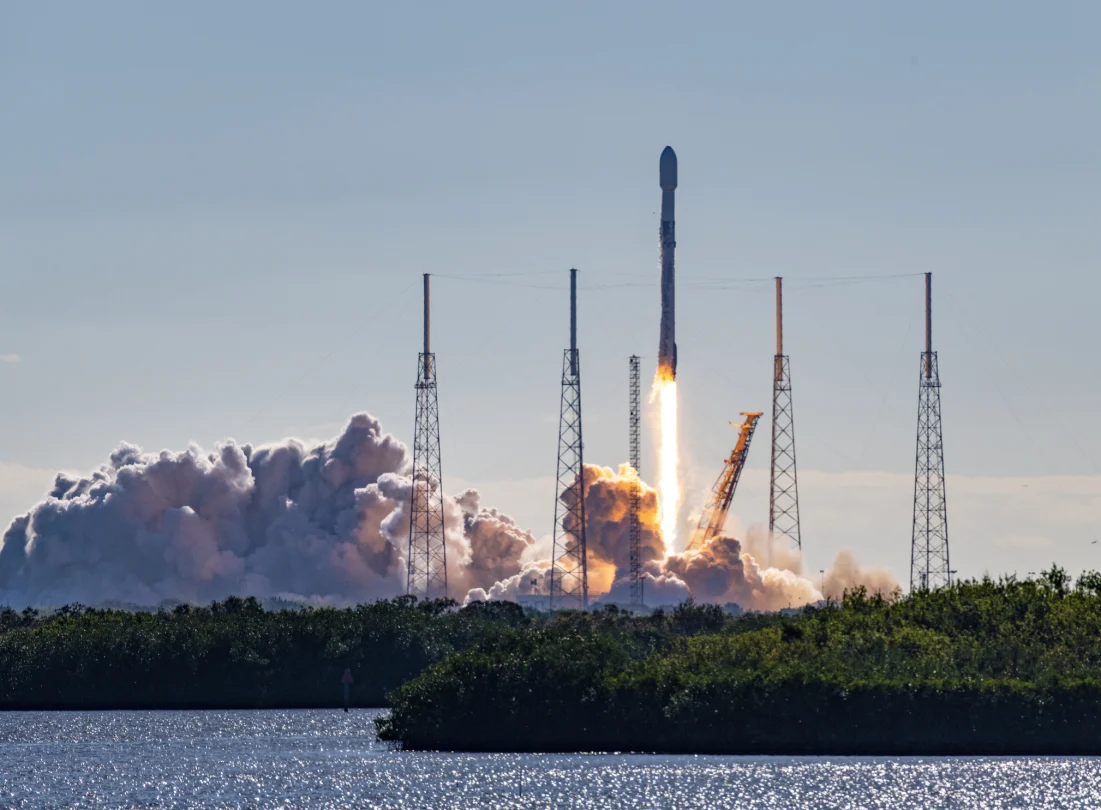
The space economy project, led by Dr Alessio Terzi, examines the economic and public policy challenges created by the rapid expansion of commercial activity in space.
Space is no longer solely a domain of scientific exploration. Falling launch costs, reusable rockets and growing private investment are transforming it into an economic domain in its own right. In the five years to 2025, more objects were launched into space than during the preceding six decades combined. What was once a relatively sparse frontier is becoming a crowded arena of infrastructure, commercial activity and strategic competition.
This transformation raises fundamental questions for economics and public policy. How can the orbital commons be managed sustainably as congestion and space debris increase? What regulatory institutions are needed when activities are conducted by private firms but generate global externalities and national security consequences? What drives productivity and economic growth in space? And, crucially, how should governments respond?
The project will bring economic analysis to these questions. Combining insights from economics, political economy, law and history, the programme aims to help ensure that the expansion of the space economy supports innovation and growth while preserving safe, open and sustainable access to space.